Blog Details
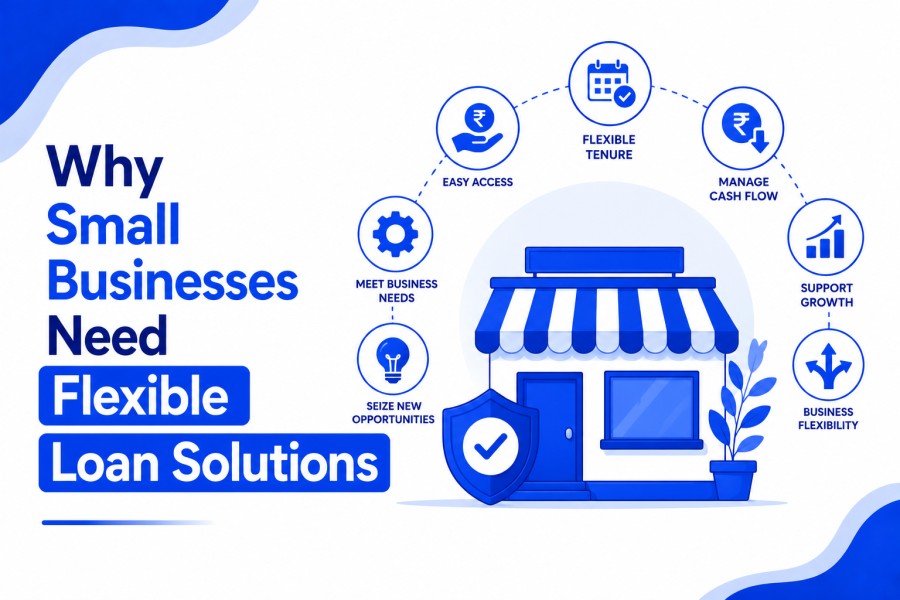
Why Small Businesses Need Flexible Loan Solutions
Small businesses are the backbone of economic growth. They create employment opportunities, support local communities, and drive innovation across industries. However, managing daily operations, handling unexpected expenses, and funding expansion plans often require access to reliable financing.
Traditional borrowing options may not always meet the evolving needs of modern businesses. Fixed repayment schedules, lengthy approval processes, and strict requirements can create challenges for business owners. This is why flexible loan solutions have become increasingly important for small businesses, startups, and growing enterprises.
Understanding Flexible Loan Solutions
Flexible loan solutions are financing options designed to adapt to the changing needs of a business. Instead of rigid repayment structures, these business loans offer features such as adjustable repayment schedules, revolving credit facilities, quick approvals, and customized funding amounts.
Businesses can access funds when needed, manage cash flow more effectively, and avoid unnecessary financial pressure during slower revenue periods. Flexible finance options have grown in popularity, thanks to digital lending platforms that make borrowing easier and enable speedier access to funds.
Why Small Businesses Need Flexible Financing
Managing Cash Flow Gaps
One of the biggest challenges for small businesses is maintaining consistent cash flow. Expenses such as salaries, inventory purchases, rent, utilities, and supplier payments often occur before customer payments are received.
Flexible financing helps businesses bridge these temporary cash flow gaps without disrupting daily operations. Options such as business lines of credit allow businesses to borrow only when required and pay interest only on the used amount.
Related blog: How a Business Loan Can Help Grow Your Startup
Supporting Business Growth
Growth often requires upfront investment. Businesses require working capital for a variety of purposes, including equipment purchases, staff hires, inventory increases, and market expansion.
A flexible loan structure allows business owners to invest confidently while maintaining healthy cash reserves. Instead of committing to large fixed repayments, businesses can align borrowing with actual growth requirements.
Handling Seasonal Business Cycles
Many industries experience seasonal fluctuations. Retail businesses may see higher sales during festivals, while other sectors experience slow periods during certain months. Flexible funding enables businesses to prepare for peak demand periods and manage expenses during slower seasons. This helps maintain operational stability throughout the year.
Managing Unexpected Expenses
Unexpected repairs, urgent inventory purchases, delayed client payments, and market shifts can all cause financial stress. Access to flexible financing ensures businesses can respond quickly without disrupting operations or compromising growth plans. Flexible loan facilities provide a financial cushion during unexpected situations.
Recent blog: How to Get a Business Loan with Low Interest Rates
The Role of Digital Lending in Modern Business Financing
The rise of digital lending has transformed how small businesses access funds. Traditional loan applications often involve extensive paperwork and long approval timelines. Digital lending platforms have simplified the process through online applications, automated verification, and faster approvals.
Key benefits of digital lending include:
- Faster loan approvals
- Minimal documentation requirements
- Convenient online applications
- Quick disbursement of funds
- Greater accessibility for startups and MSMEs
This streamlined approach allows businesses to focus on growth instead of spending valuable time navigating complex financing procedures.
Importance of Using a Business Loan Calculator
Before applying for financing, it is important to understand the potential repayment obligation. A business loan calculator helps business owners estimate:
- Monthly repayment amounts
- Interest costs
- Loan tenure impact
- Overall borrowing expenses
Using a small business loan calculator enables entrepreneurs to plan finances more effectively and choose a funding amount that aligns with business cash flow. Accurate financial planning reduces the risk of overborrowing and helps businesses maintain long-term financial stability.
Why Loan Comparison Matters in Small Businesses
Not all financing options are the same. Interest rates, repayment terms, processing fees, eligibility documents, and flexibility can vary significantly between lenders. Conducting a proper loan comparison helps businesses:
- Identify competitive interest rates
- Compare repayment structures
- Evaluate processing charges
- Understand flexibility features
- Choose the most suitable financing option
A careful loan comparison ensures businesses select funding solutions that support both immediate requirements and long-term goals.
Loan Eligibility: A Key Factor for Small Businesses
Understanding loan eligibility is crucial before applying for financing.
Lenders typically evaluate factors such as:
- Business age
- Revenue performance
- Credit profile
- Bank transaction history
- Existing liabilities
- Industry type
Flexible lenders often consider broader business performance indicators rather than relying solely on traditional credit assessments. This improves financing access for startups and emerging businesses.
Flexible Financing Options Available for Small Businesses
- Business Line of Credit: Provides ongoing access to funds with the flexibility to withdraw only when needed.
- Working Capital Loans: Designed to support daily operational expenses, inventory purchases, payroll management, and short-term cash flow requirements.
- Revenue-Based Financing: Repayment is linked to business revenue, making it easier to manage during slower business periods.
- Flexi Business Loans: Allow businesses to withdraw and repay funds within a pre-approved limit, offering greater control over borrowing costs and cash flow management.
Recent blog: Secured vs Unsecured Business Loans: Which Is Better?
Why Flexible Loan Solutions Are Essential for Startups
Startups often face unique financial challenges. Revenue may be unpredictable, operational costs can be high, and business models are still evolving. Flexible loan solutions help startups by:
- Providing quick access to working capital
- Supporting product development and expansion
- Managing operational expenses
- Reducing financial pressure during early growth stages
- Offering scalable financing options as the business grows
Access to adaptable funding can play a critical role in helping startups navigate uncertainty and seize growth opportunities.
Conclusion
Market conditions change rapidly, customer demands evolve, and growth opportunities often require immediate financial support. Flexible loan solutions provide businesses with the freedom to manage cash flow, handle unexpected expenses, support expansion plans, and maintain operational stability. By leveraging tools such as a business loan calculator, evaluating business loan EMI, conducting thorough loan comparison, and understanding loan eligibility, business owners can make informed financing decisions.
As digital lending continues to improve accessibility and speed, flexible financing is becoming an important growth partner for small businesses and startups seeking sustainable success.
Looking for the right business loan? Compare options, calculate your EMI, and find a financing solution that supports your business goals with Loan Quantum.
Frequently Asked Questions
Yes, many lenders offer flexible financing options for startups. Eligibility requirements may vary, but startups can often access funding based on business potential, projected revenue, and financial records.
Digital lending offers faster loan approvals, simplified documentation, online application processes, quick fund disbursement, and easier access to financing for small businesses and startups.
Small businesses can choose from working capital loans, business lines of credit, flexi loans, equipment financing, invoice financing, and term loans with customizable repayment options.
Reputable digital lending platforms follow regulatory guidelines and secure verification processes. Businesses should always verify lender credibility, loan terms, and data security measures before applying.
Yes, many lenders provide unsecured business loans that do not require collateral. Eligibility is usually based on business performance, revenue, and creditworthiness.