Blog Details
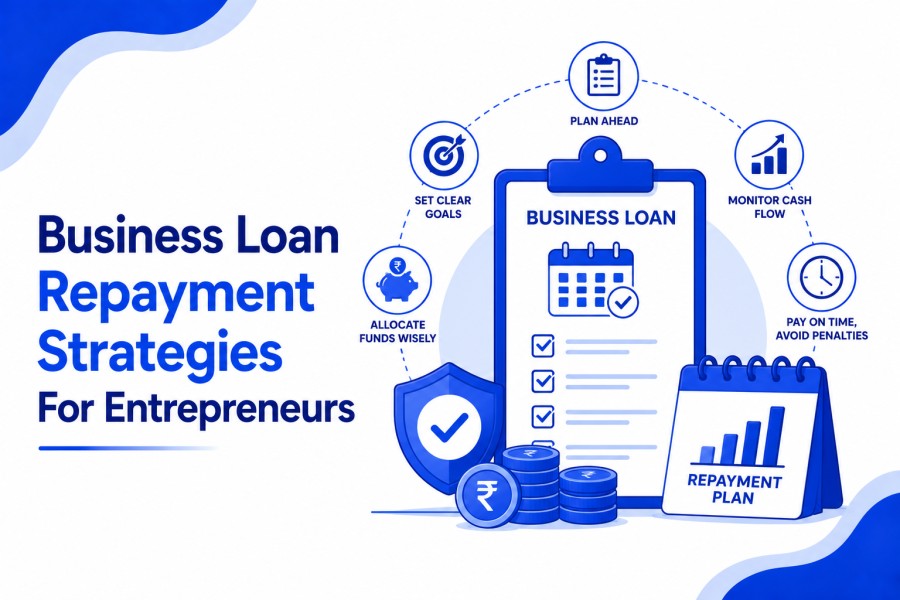
Business Loan Repayment Strategies For Entrepreneurs
Entrepreneurship often requires financial support to turn ideas into profitable ventures. Whether you're launching a startup, expanding operations, purchasing equipment, or managing working capital, business loans can provide the funding needed to achieve your goals.
However, securing financing is only one part of the journey. A well-planned repayment strategy is equally important. Without proper planning, loan repayments can impact cash flow, profitability, and future borrowing opportunities.
This guide explores practical business loan repayment strategies for entrepreneurs and explains how tools such as a business loan calculator and EMI calculation can help you stay financially prepared.
Why Should Entrepreneurs Focus On Loan Repayment Planning?
Many business owners focus heavily on obtaining funding but spend less time preparing for repayment. Loan obligations become recurring financial commitments that can influence daily operations. Effective repayment planning helps entrepreneurs:
- Maintain healthy cash flow
- Avoid late payment penalties
- Improve creditworthiness
- Reduce overall borrowing costs
- Manage business finances more efficiently
- Prepare for future expansion opportunities
A structured repayment plan allows businesses to grow while meeting financial commitments on time.
How Can Entrepreneurs Use A Business Loan Calculator Before Borrowing?
Before applying for financing, entrepreneurs should estimate their repayment obligations. A business loan calculator helps determine:
- Estimated monthly EMI
- Total interest payable
- Total repayment amount
- Loan affordability
- Impact of different loan tenures
Using a business loan calculator before borrowing enables business owners to choose loan amounts that align with projected revenues and operational expenses. Rather than guessing repayment costs, entrepreneurs can make informed borrowing decisions based on realistic financial projections.
Related blog: Key Mistakes to Avoid When Applying for a Business Loan
Why Is Accurate EMI Calculation Important For Entrepreneurs?
EMI calculation plays a crucial role in financial planning. Your EMI depends on:
- Loan amount
- Interest rate
- Repayment tenure
Understanding EMI obligations helps entrepreneurs:
- Create realistic budgets
- Forecast monthly cash flow
- Avoid overborrowing
- Allocate resources effectively
Businesses that perform EMI calculation before taking a loan often experience fewer repayment challenges because they understand their financial commitments from the beginning.
Should Entrepreneurs Prioritize Low Interest Rates?
Interest rates directly influence the total cost of borrowing. Even a small difference in rates can significantly impact long-term repayment costs. When comparing business loans, entrepreneurs should evaluate:
- Annual interest rate
- Processing fees
- Prepayment charges
- Loan tenure flexibility
- Hidden costs
Choosing business loans with low interest rates can reduce monthly obligations and lower the total repayment burden over time. However, entrepreneurs should not focus solely on interest rates. Loan flexibility and repayment terms also matter.
How Can Entrepreneurs Match Loan Tenure With Business Cash Flow?
Loan tenure affects both EMI size and total interest payable.
Shorter Tenure:
- Higher EMIs
- Lower total interest cost
- Faster debt clearance
Longer Tenure:
- Lower EMIs
- Improved cash flow management
- Higher total interest cost
Entrepreneurs should choose a repayment tenure based on their business revenue cycle rather than selecting the shortest or longest option available. Seasonal firms, for example, may benefit from lengthier payback terms in order to keep sufficient working capital during down periods.
Read also: How Digital Lending Is Changing Business Loans
Can Creating A Dedicated Repayment Fund Reduce Financial Stress?
One of the most effective repayment strategies is maintaining a dedicated loan repayment reserve. Entrepreneurs can allocate a fixed percentage of monthly revenue toward:
- EMI payments
- Emergency financial needs
- Unexpected business expenses
A separate repayment fund creates financial discipline and reduces the risk of missed payments during periods of fluctuating revenue. This strategy is particularly useful for startups and small businesses that experience irregular cash flow.
How Can Entrepreneurs Improve Cash Flow To Support Loan Repayment?
Strong cash flow management is essential for successful loan repayment. Entrepreneurs can improve cash flow by:
- Accelerating invoice collections
- Reducing unnecessary expenses
- Negotiating better supplier terms
- Monitoring operating costs
- Maintaining inventory efficiency
Better cash flow ensures that EMI payments remain manageable without affecting daily operations. Businesses with strong liquidity are often better positioned to handle repayment obligations comfortably.
Should Entrepreneurs Consider Partial Prepayments?
When business revenues exceed expectations, partial prepayments can be a smart financial decision. Benefits of partial prepayment include:
- Reduced outstanding principal
- Lower interest burden
- Faster loan closure
- Improved financial flexibility
Before making prepayments, entrepreneurs should review lender policies regarding prepayment charges and conditions. In many cases, strategic prepayments can lead to substantial savings over the life of the loan.
How Can Entrepreneurs Avoid Missing EMI Payments?
Late payments can affect business credit profiles and increase borrowing costs in the future. To avoid missed EMIs:
- Set automatic payment instructions
- Maintain sufficient account balance
- Track repayment schedules regularly
- Create financial reminders
- Monitor cash flow forecasts
Consistent repayment behavior helps build a positive credit history and improves loan eligibility for future financing.
What Role Does Credit Score Play In Future Business Loans?
Loan repayment history directly influences a business owner's credit profile. Timely repayments help entrepreneurs:
- Improve credit scores
- Access larger loan amounts
- Qualify for low interest rates
- Strengthen lender confidence
Businesses with strong repayment records often enjoy better financing opportunities compared to those with irregular payment histories. Responsible borrowing today can create financial advantages for future business expansion.
Recent blog: How Business Loans Help Improve Cash Flow Management
Can Entrepreneurs Refinance Existing Business Loans?
Refinancing may be beneficial when market conditions improve. Entrepreneurs may consider refinancing if:
- Lower interest rates become available
- Business cash flow changes significantly
- Existing EMIs become difficult to manage
- Better repayment terms are offered
Refinancing can reduce monthly obligations and improve overall financial efficiency when executed strategically. However, borrowers should carefully evaluate associated fees before making a decision.
How Can Entrepreneurs Build A Sustainable Repayment Strategy?
A sustainable loan repayment strategy combines careful planning, disciplined financial management, and regular monitoring. Successful entrepreneurs typically:
- Use a business loan calculator before borrowing
- Perform accurate EMI calculations
- Compare multiple lenders
- Seek business loans with low interest rates
- Maintain repayment reserves
- Monitor cash flow regularly
- Consider prepayments when possible
These practices help businesses meet loan obligations while continuing to invest in growth opportunities.
Related blog: Why Small Businesses Need Flexible Loan Solutions
Final Thoughts
Business loans can be powerful tools for expansion, innovation, and long-term success. However, repayment planning is just as important as securing funding. Entrepreneurs who use a business loan calculator, understand EMI calculation, compare business loans carefully, and prioritize low interest rates can significantly reduce financial pressure and improve business stability.
A proactive repayment strategy not only protects cash flow but also strengthens future borrowing opportunities, helping entrepreneurs build a solid foundation for sustainable growth.
Take control of your business finances with LoanQuantum. Calculate EMIs, explore loan affordability, and build a repayment strategy that supports long-term growth.
Frequently Asked Questions
The best approach is to create a structured repayment plan, monitor cash flow regularly, use a business loan calculator before borrowing, and make EMI payments on time. Maintaining a dedicated repayment fund can also help avoid financial stress.
Entrepreneurs can improve their chances of obtaining low interest rates by maintaining a strong credit profile, comparing multiple lenders, providing accurate financial records, and demonstrating stable business performance.
Refinancing may help if lower interest rates become available or if the business requires more flexible repayment terms. Entrepreneurs should compare the savings against any refinancing costs before making a decision.
Entrepreneurs may enhance cash flow by cutting needless expenses, speeding up customer payments, streamlining inventory management, and analyzing operating costs on a regular basis to guarantee there are enough funds for EMI payments.
Entrepreneurs should evaluate the loan amount, interest rate, repayment tenure, EMI affordability, processing fees, and their business's ability to generate sufficient cash flow for repayments.